Installation image for Outdoor Cam Pro

Installing Outdoor Cam Pro PoE

Safety and compliance information for Outdoor Cam Pro.

Get step-by-step installation instructions for your Outdoor Cam Pro PoE.

View or download the user manual for Outdoor Cam Pro PoE.Download/view the manual for Outdoor Cam Pro PoE (French)Download/view the manual for Outdoor Cam Pro PoE (Spanish)

Hardware included

Illustration to show screws and installation hardware included with Outdoor Cam Pro PoE

Tools needed

Illustration of a cross point screwdriver needed for installation.

Phillips-head screwdriver

Illustration of a battery powered drill, recommended for installation.

Drill with 5 mm masonry bit (optional)

Illustration of caulk gun.

Caulk gun

  1. Remove the protective wrap.
    Illustration indicating to remove the protective wrap from the Ring Camera.
  2. Download the Ring app.
    Illustration of a mobile device showing a download symbol and the Ring logo.
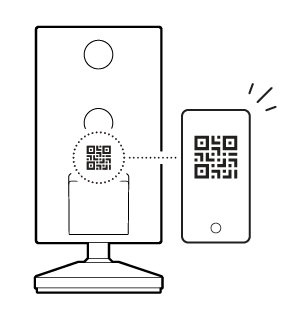
  3. Scan the QR code on your device.
    Illustration of the QR code on the back of the device.
  4. Choose a location.
Illustration showing the various mounting options for the Outdoor Cam.

NOTE: Before installation, ensure your Power over Ethernet (PoE) switch capable of PoE+ is active and connected to a functioning Category 5 Ethernet cable.

Junction box installation

  1. Use a coin to unscrew a cap from the side or back of the junction box.
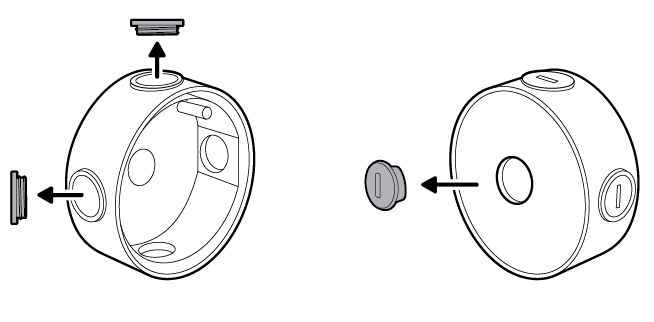
    Illustration to show unscrewing the cap from side or back of the junction box.
  2. Install the included junction box on the wall or ceiling with the included screws. On stucco, brick, or concrete, use a 3/16 in (5 mm) masonry bit to drill holes for the wall anchors included with your adapter.
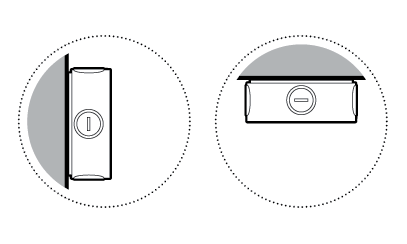
    Illustration to show junction box installed on a wall or ceiling
    Illustration showing placement of the screws for junction box installation
    Illustration to show installation of junction box on wood or masonry.
  3. Cover the screw holes with the included plugs.
    Illustration to show covered junction box screw holes with included plugs.
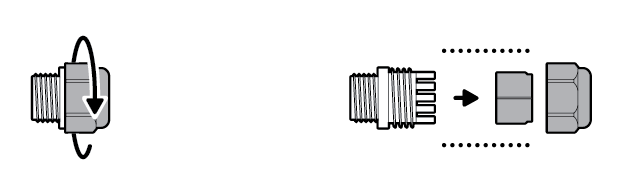
  4. Disassemble the cable gland by unscrewing the cap from the body.
    Illustration to show unscrewing the cable gland cap from the body.
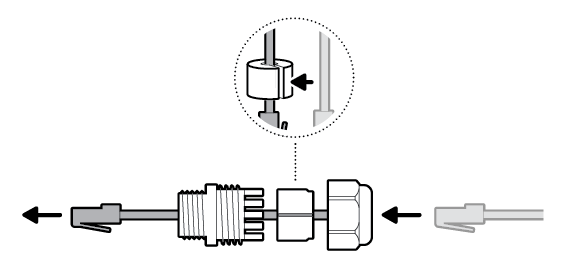
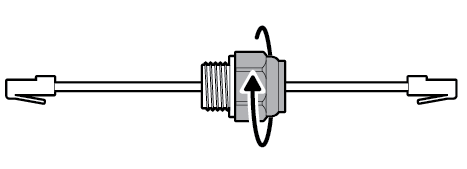
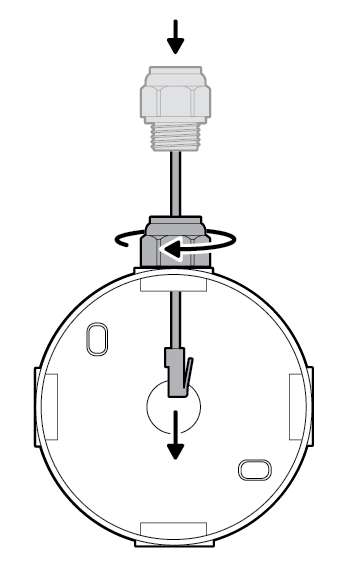
  5. Thread the Ethernet cable through the cable gland, wrapping the O-ring around the cable, and screw tightly until there is a secure seal.
    Illustration to show threading the Ethernet cable through the cable gland
    Illustration to show screwing the cable gland around the ethernet cable.
    NOTE:
    If installing the junction box directly over your PoE switch, you do not need to attach the cable gland.
  6. Insert the Ethernet cable through the knockout, ensuring the cable gland is snug.
    Illustration showing inserting the Ethernet cable through the knockout.
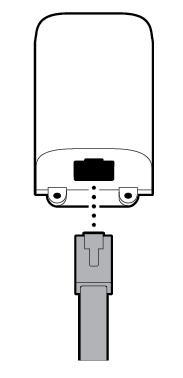
  7. Plug the Ethernet cable into the adapter.
    Illustration to show inserting the Ethernet cable through the knockout, ensuring the cable gland is snug.
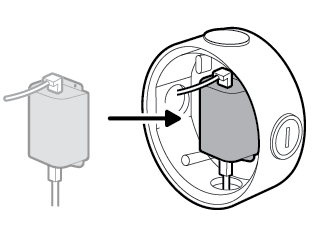
  8. Plug the USB-C cable within the junction box cover mount into the adapter, ensuring it is fully inserted.
    Illustration to show plugging the USB-C cable in the junction box cover mount into the adapter.
  9. Slot the adapter into the center of the junction box.
    Illustration to show slotting the adapter into the junction box.
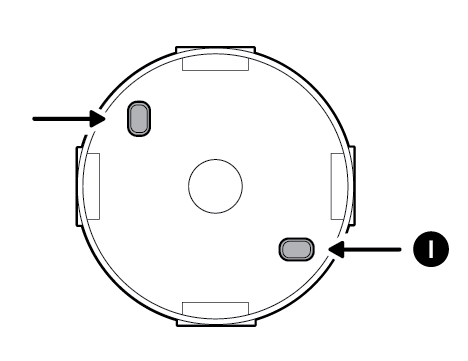
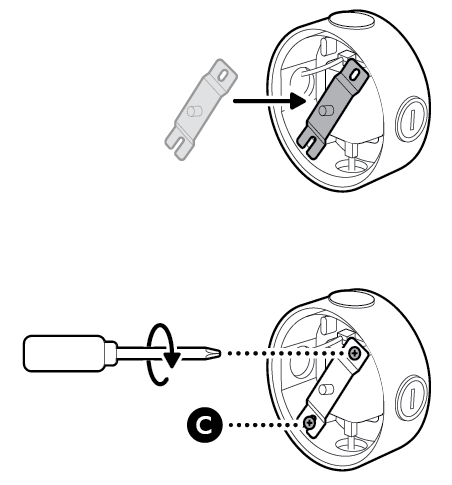
  10. Attach the metal crossbar with the screws included with your adapter, starting with the closed screw hole.
    Illustration to show position of metal crossbar in the junction box and attaching it with the included screws.
  11. Close the junction box with the cover mount.
    Illustration to show closing the junction box with the cover mount.
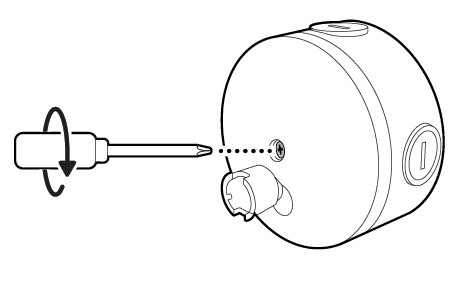
  12. Tighten the center screw to secure the junction box cover mount in place.
    Illustration to show tightening the center screw to secure the junction box cover mount.
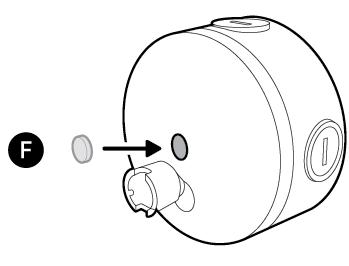
  13. Cover the center screw hole with the included plug.
    Illustration to show covering the center screwhole with the included plug.
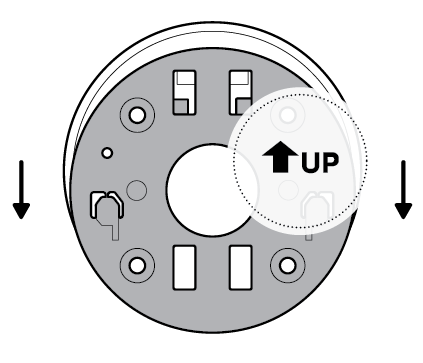
  14. Slide the mounting plate in the direction opposite to the UP arrow to remove.
    Illustration to show sliding the mounting plate in the direction opposite the up arrow to remove it.
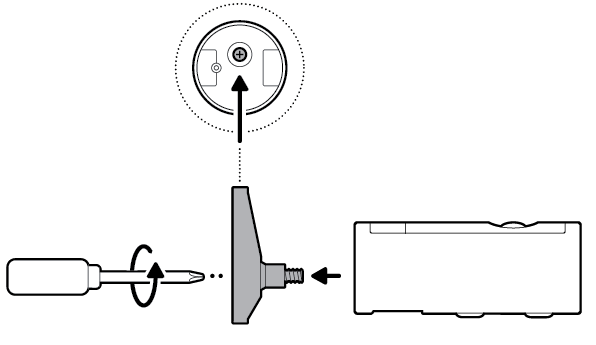
  15. Unscrew to detach the camera mount.
    Illustration to show unscrewing the camera mount to detach it from the camera.
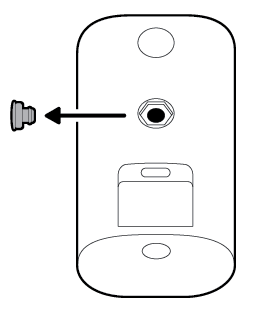
  16. Remove the middle rubber cap on the back of your camera.
    Illustration to show removing the middle rubber cap from the back of the camera.
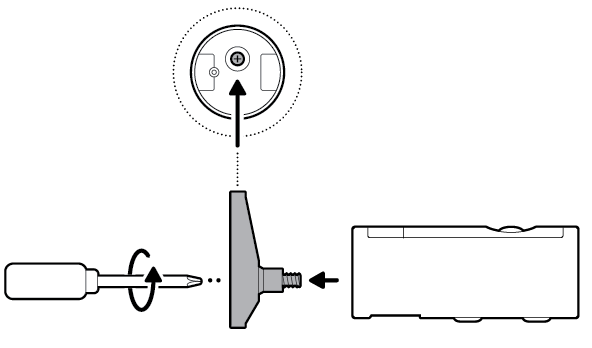
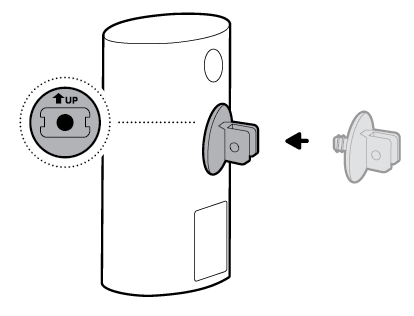
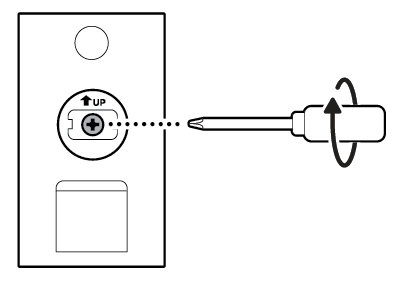
  17. Tighten the included hex joint onto the back of your camera, ensuring the UP indicator is pointing up.
    Illustration to show tightening the hex joint onto the back of the camera, with the UP indicator pointing up.
    Illustration to show tightening the hex joint with a screwdriver, with the arrow pointing up.
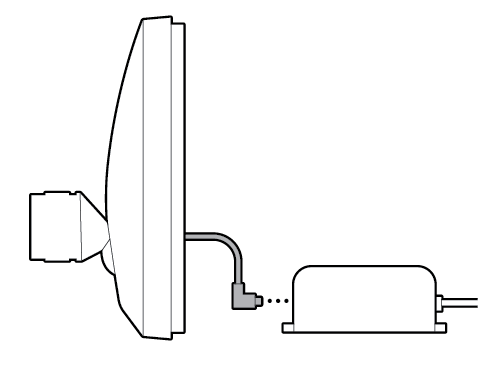
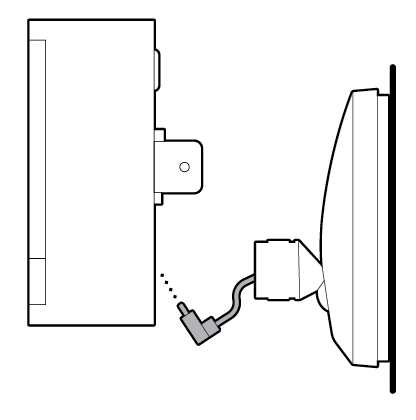
  18. Plug the USB-C cable on the junction box cover mount into your camera, ensuring it is fully inserted.
    Illustration to show plugging the USB-C cable on the junction box cover mount into the camera.
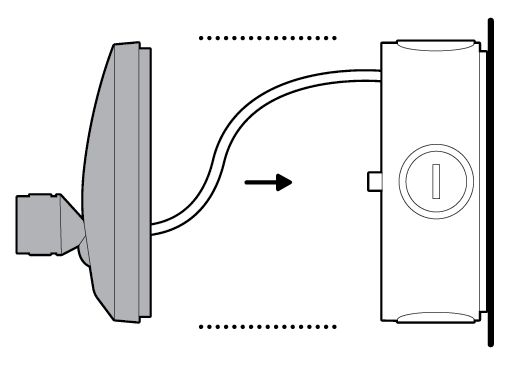
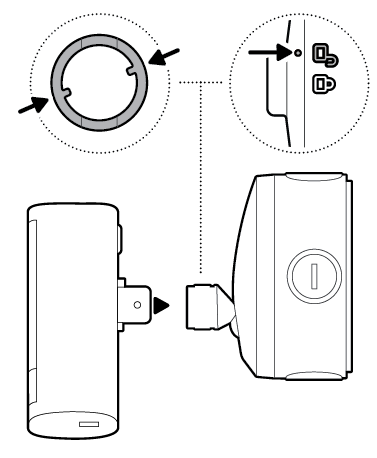
  19. Align the hex joint with the junction box cover mount and insert.
    Illustration to show aligning the hex joint with the junction box cover mount and inserting it.
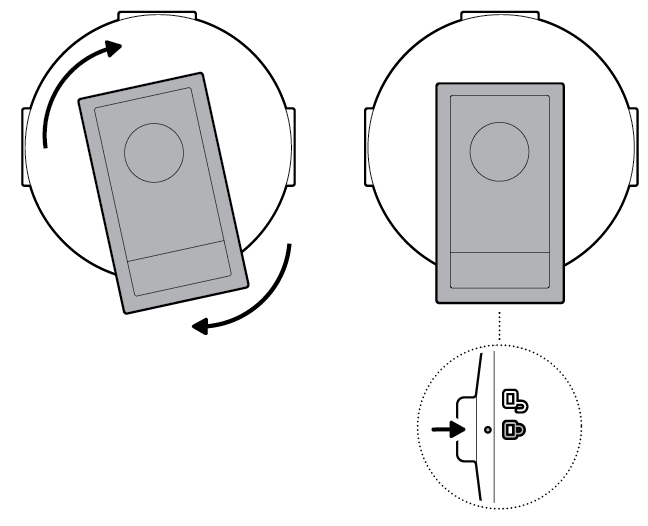
  20. Turn until your camera locks in place.
    Illustration to show turning the camera until it locks into place.
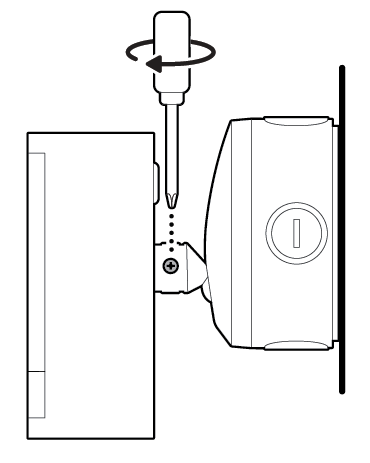
  21. Tighten the security screw.
    Illustration to show tightening the security screw to secure the camera.
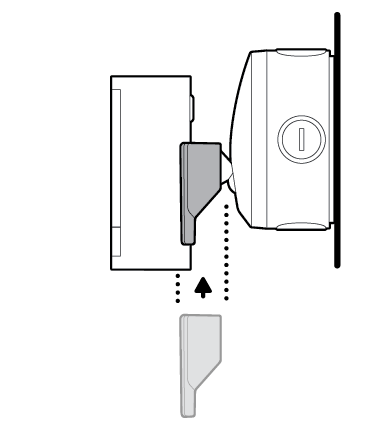
  22. Install your camera's decorative cover by sliding until you hear a click to secure.
    Illustration to show sliding the decorative cover on to the camera.
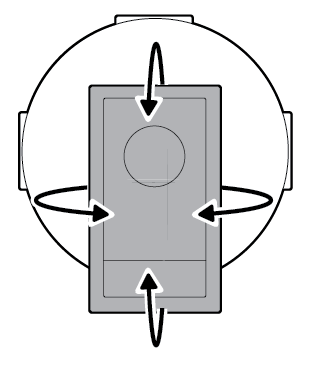
  23. Adjust your camera's position, if necessary.
    Illustration to show adjusting the camera's position.
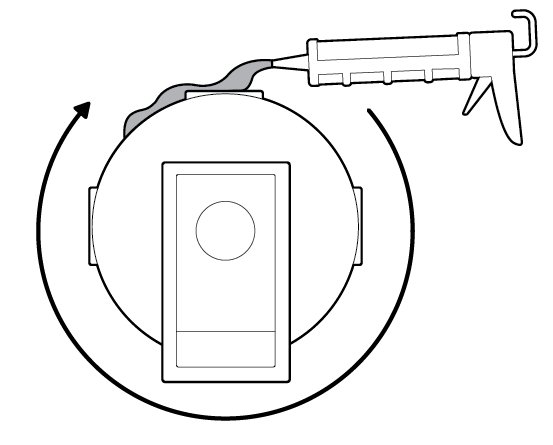
  24. Apply proper silicone or caulk around the junction box knockouts, between the junction box and junction box cover mount, and between the junction box and mounting surface to seal any gaps.
    Illustration to show applying silicone or caulk around the junction box knockouts, between the junction box and junction box cover mount, and between the junction box and mounting surface to seal gaps.

Flat installation

FOR INDOOR USE ONLY

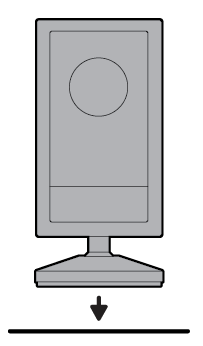
  1. Place your camera on a level surface.
    Illustration showing the camera placement on a flat surface.
  2. Plug the Ethernet cable into the adapter.
    Illustration to show inserting the Ethernet cable through the knockout, ensuring the cable gland is snug.
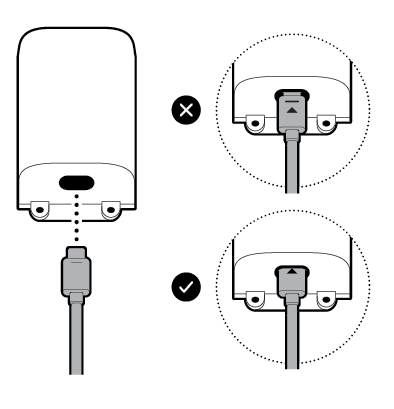
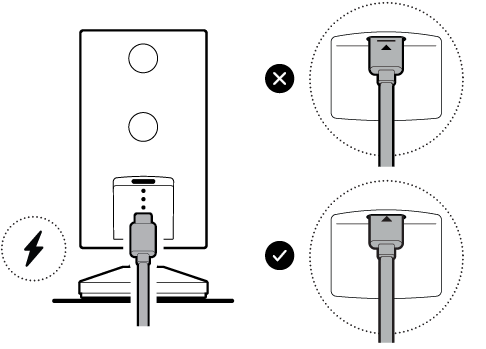
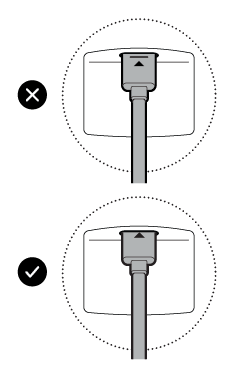
  3. Plug the included USB-C cable into the adapter until the indicator line disappears.
    Illustration to show correct way to plug the USB-C cable into the adapter so that the line disappears.
  4. Plug the other end of the USB-C cable into your camera until the indicator line disappears.
    Illustration to show the correct way to plug the USB-C cable into the camera, so that the line disappears.

Wall installation

FOR INDOOR USE ONLY

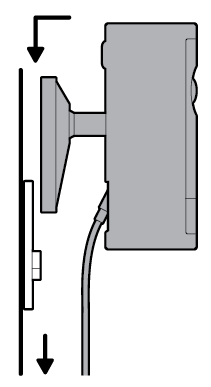
  1. Slide the mounting plate in the direction opposite to the UP arrow to remove.
    Illustration to show sliding the mounting plate in the direction opposite the up arrow to remove it.
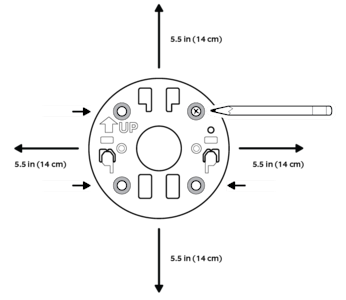
  2. Use the mounting plate as a guide to mark screw holes on the wall with 5.5 in (14 cm) of space in every direction.
    Illustration showing a pencil marking the installation holes using the mounting plate as a guide.
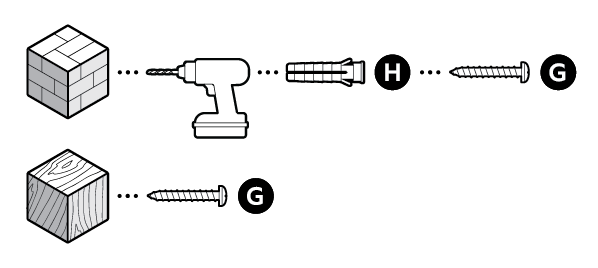
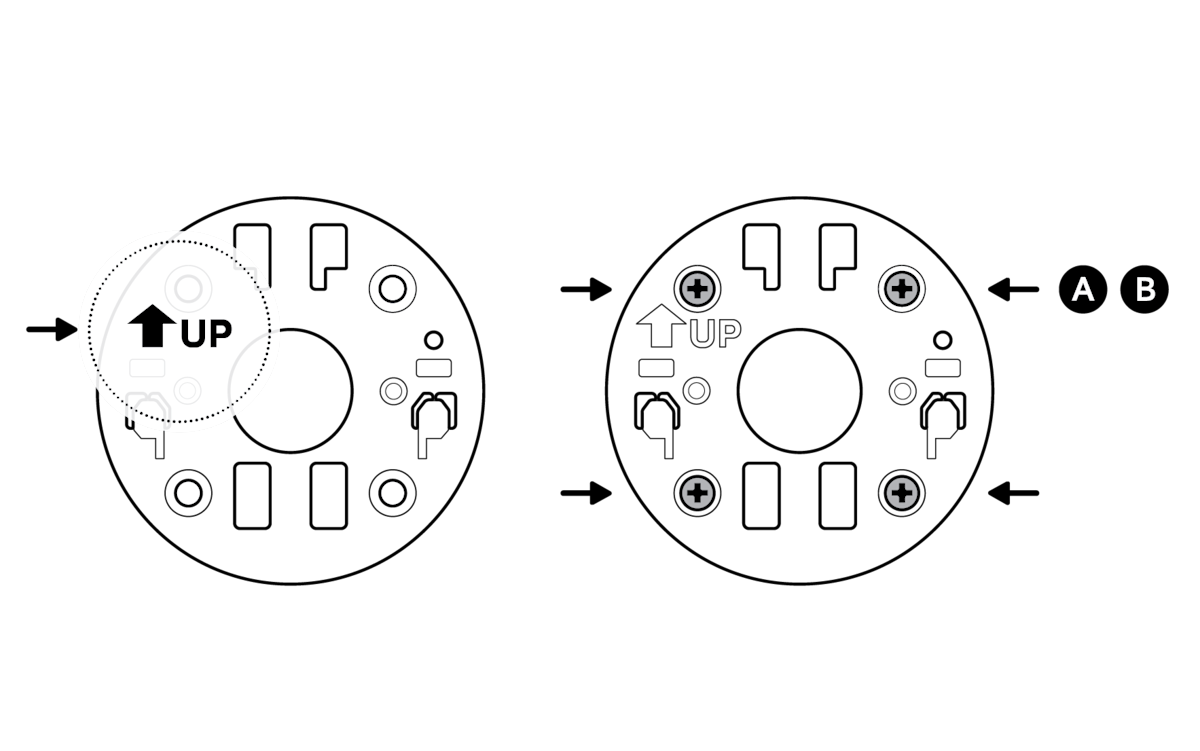
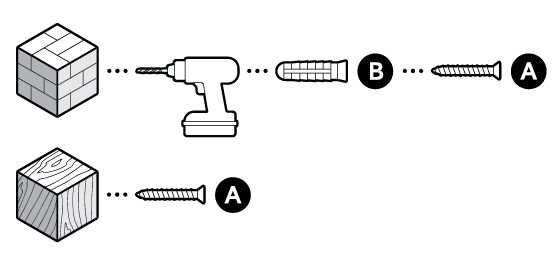
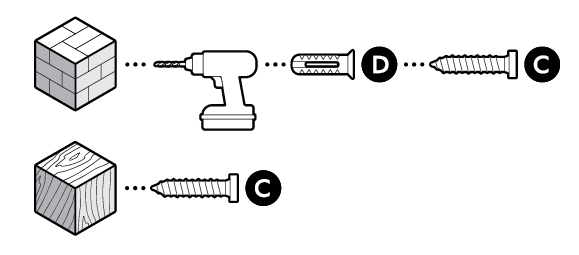
  3. Install the mounting plate with the UP arrow pointing up. On stucco, brick, or concrete, use a 3/16 in (5 mm) masonry bit to drill holes for the included wall anchors.
    Illustration showing how to mount the mounting plate with the UP arrow pointing up.
    One cube showing a brick surface with a drill, screw, and anchor and one cube with a wood surface showing a screw both with dots leading to the surface.
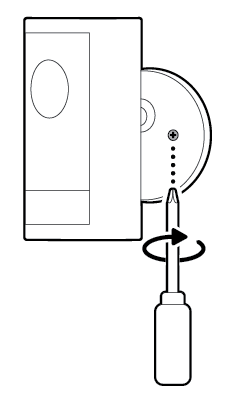
  4. Unscrew to detach the camera mount.
    Illustration of a screw driver unscrewing the screw to detach the camera mount from the camera.
  5. Remove the middle rubber cap on the back of your camera.
    Illustration to show removing the middle rubber cap from the back of the camera.
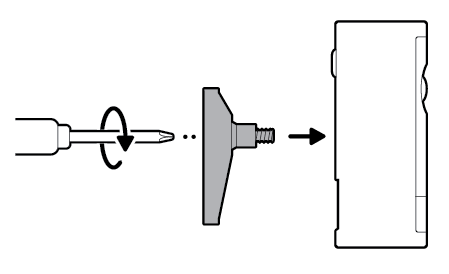
  6. Attach the camera mount to the back of your camera with its screw.
    Illustration showing how to attach the mount to the back of the camera with its screw.
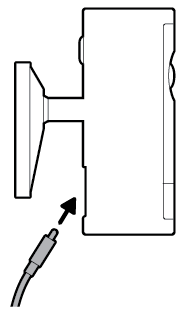
  7. Plug the included USB-C cable into your camera until the indicator line disappears.
    Illustration to show plugging the USB-C cable into the camera.
    Illustration to show correct insertion of the USB-C cable into the camera, with the indicator line no longer visible.
  8. Secure your camera to the mounting plate by sliding until you feel a click.
    Illustration to show securing the camera to the mounting plate by sliding it on.
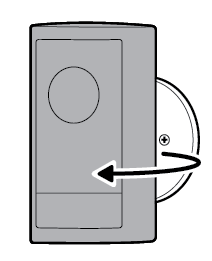
  9. Rotate your camera and tighten the security screw.
    Illustration to show rotating the camera.
    Illustration to show tightening the security screw on the camera after rotation.
  10. Install the adapter on the wall with the included screws. On stucco, brick, or concrete, use a 3/16 in (5 mm) masonry bit to drill holes for the included wall anchors.
    Illustration to show installation of the adapter on the wall.
    Illustration to show the use of screws for wood and screws and wall anchors for masonry.
  11. Plug the other end of the USB-C cable into the adapter until the indicator line disappears.
    Illustration to show correct way to plug the USB-C cable into the adapter so that the line disappears.
  12. Plug the Ethernet cable into the adapter.
    Illustration to show inserting the Ethernet cable through the knockout, ensuring the cable gland is snug.

Ceiling installation

FOR INDOOR USE ONLY

  1. Slide the mounting plate in the direction opposite to the UP arrow to remove.
    Illustration to show sliding the mounting plate in the direction opposite the up arrow to remove it.
  2. Use the mounting plate as a guide to mark screw holes on the ceiling with 5.5 in (14 cm) of space in every direction.
    Illustration showing a pencil marking the installation holes using the mounting plate as a guide.
    NOTE:
    For best results, avoid locations with nearby objects that can interfere with your camera's field of view.
  3. Install the mounting plate with the UP arrow pointing toward your desired viewing direction. On stucco, brick, or concrete, use a 3/16 in (5 mm) masonry bit to drill holes for the included wall anchors.
    Illustration showing how to mount the mounting plate with the UP arrow pointing up.
    One cube showing a brick surface with a drill, screw, and anchor and one cube with a wood surface showing a screw both with dots leading to the surface.
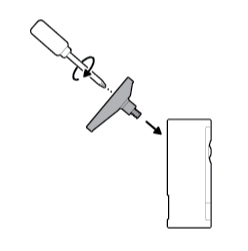
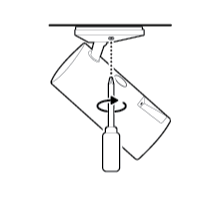
  4. Unscrew to detach the camera mount.
    Illustration of a screw driver unscrewing the screw to detach the camera mount from the camera.
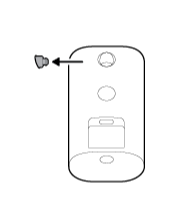
  5. Remove the top rubber cap on the back of your camera.
    Illustration to show removing the top rubber cap on the back of your camera.
  6. Attach the camera mount to the back of your camera with its screw.
    Illustration showing attaching the camera mount to the back of your camera with its screw.
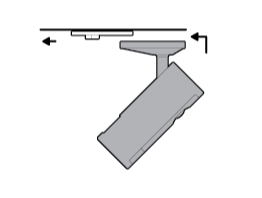
  7. Secure your camera to the mounting plate by sliding until you feel a click.
    llustration to show securing the camera onto the mounting plate by sliding it on.
    NOTE:
    Your camera should be in an upright position.
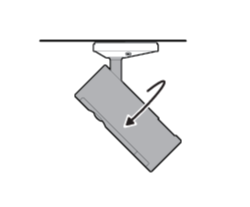
  8. Rotate your camera and tighten the security screw.
    Illustration to show rotation of the camera on the ceiling.
    Illustration to show tightening security screw when installing your camera on the ceiling.
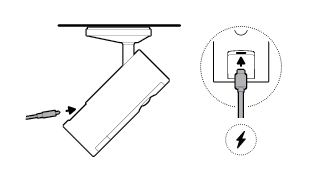
  9. Plug the included USB-C cable into your camera until the indicator line disappears.
    Illustration to show how to plug in the cable when installing your camera on a ceiling.
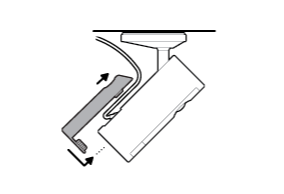
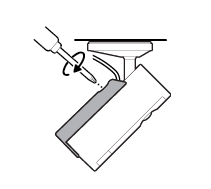
  10. Slide the included cable bracket onto the back of your camera and tighten the handscrew to secure your power cable.
    Illustration to show how to slide the included cable bracket onto the back of your camera.
    Illustration to show tightening the handscrew on the cable bracket to secure power cable.
  11. Install the adapter on the wall or ceiling with the included screws. On stucco, brick, or concrete, use a 3/16 in (5 mm) masonry bit to drill holes for the wall anchors included with your adapter.
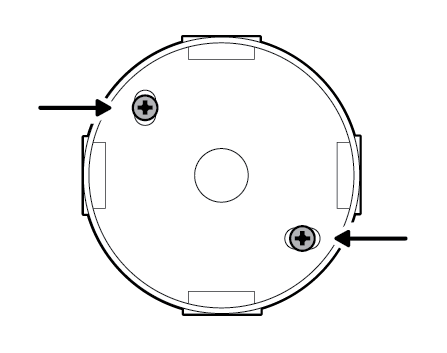
    Illustration to show installation of the adapter on the wall.
    Illustration to show the use of screws for wood and screws and wall anchors for masonry.
  12. Plug the other end of the USB-C cable into the adapter until the indicator line disappears.
    Illustration to show correct way to plug the USB-C cable into the adapter so that the line disappears.
  13. Plug the Ethernet cable into the adapter.
    Illustration to show inserting the Ethernet cable through the knockout, ensuring the cable gland is snug.
Last updated 1 month ago